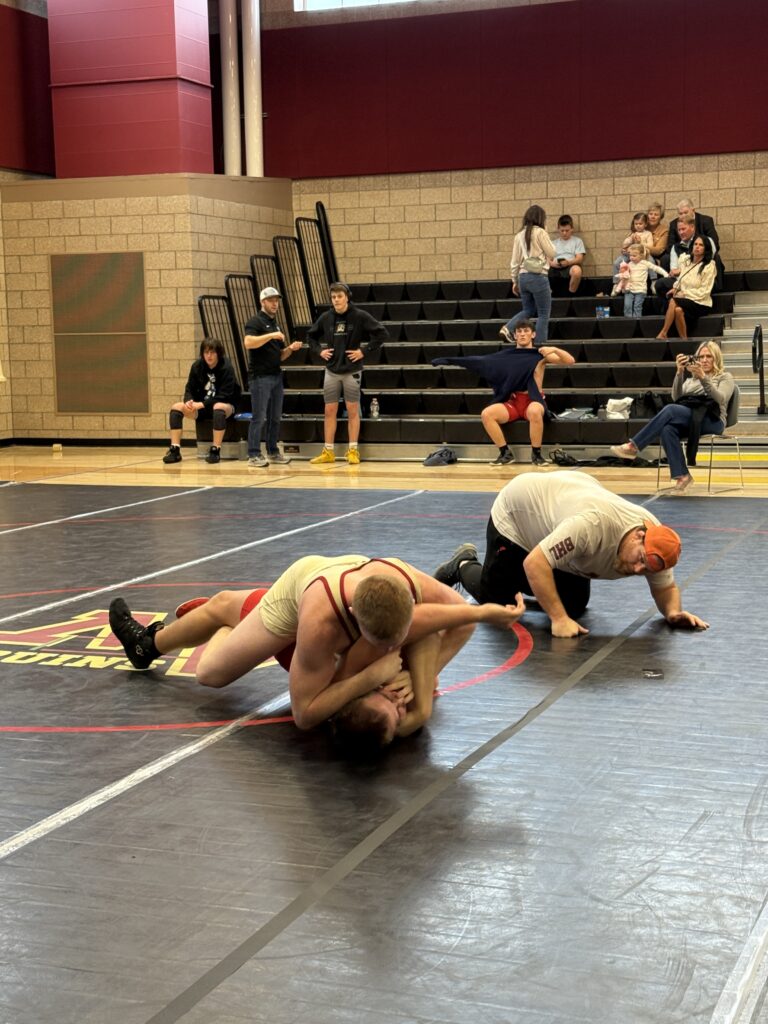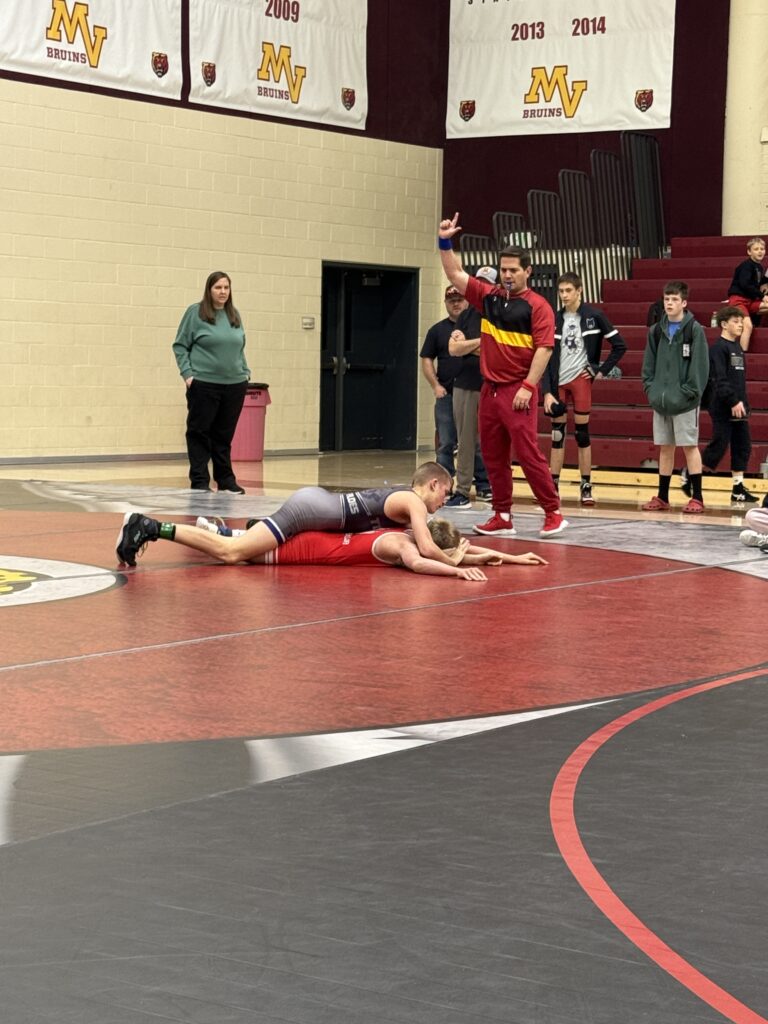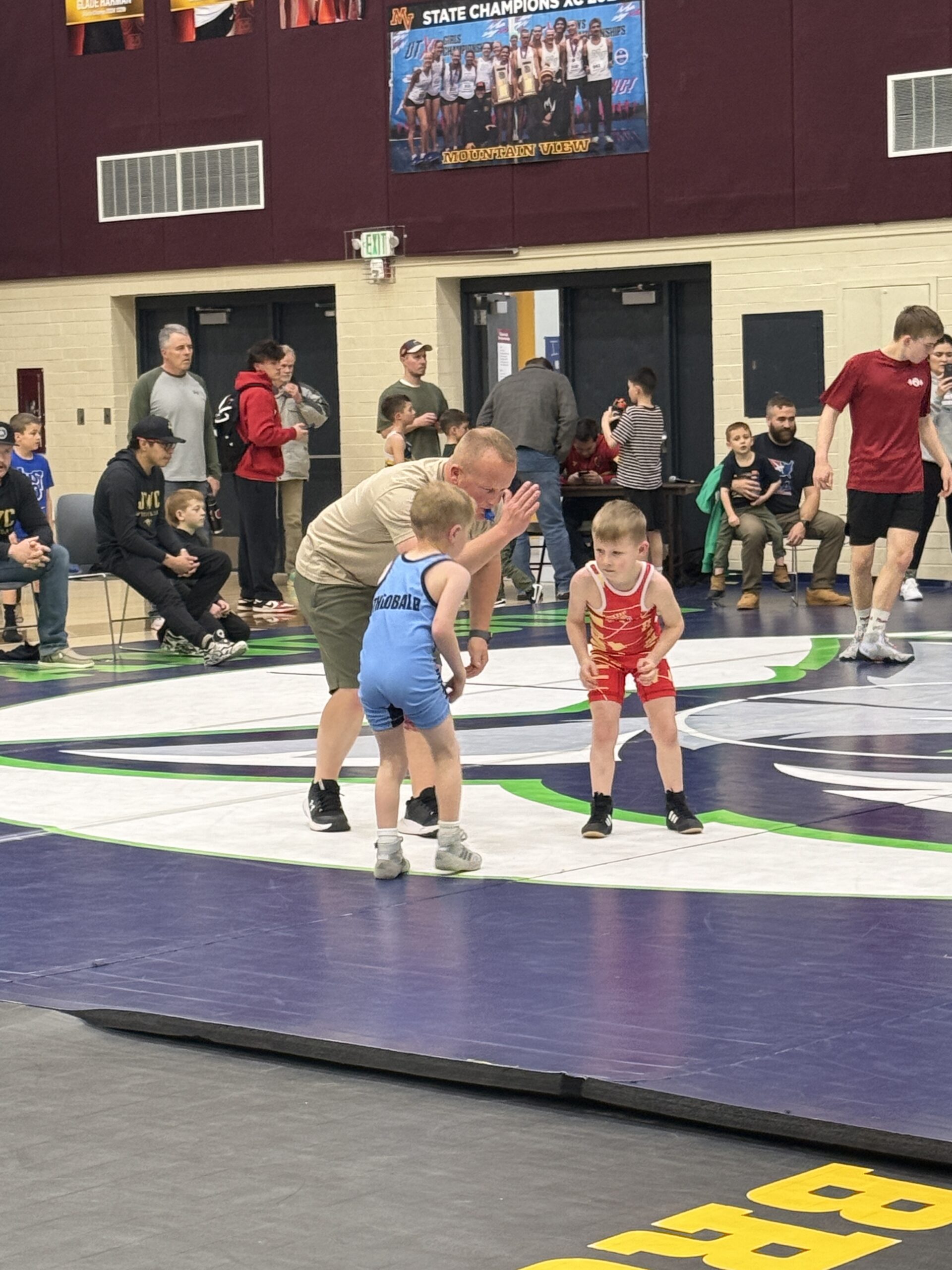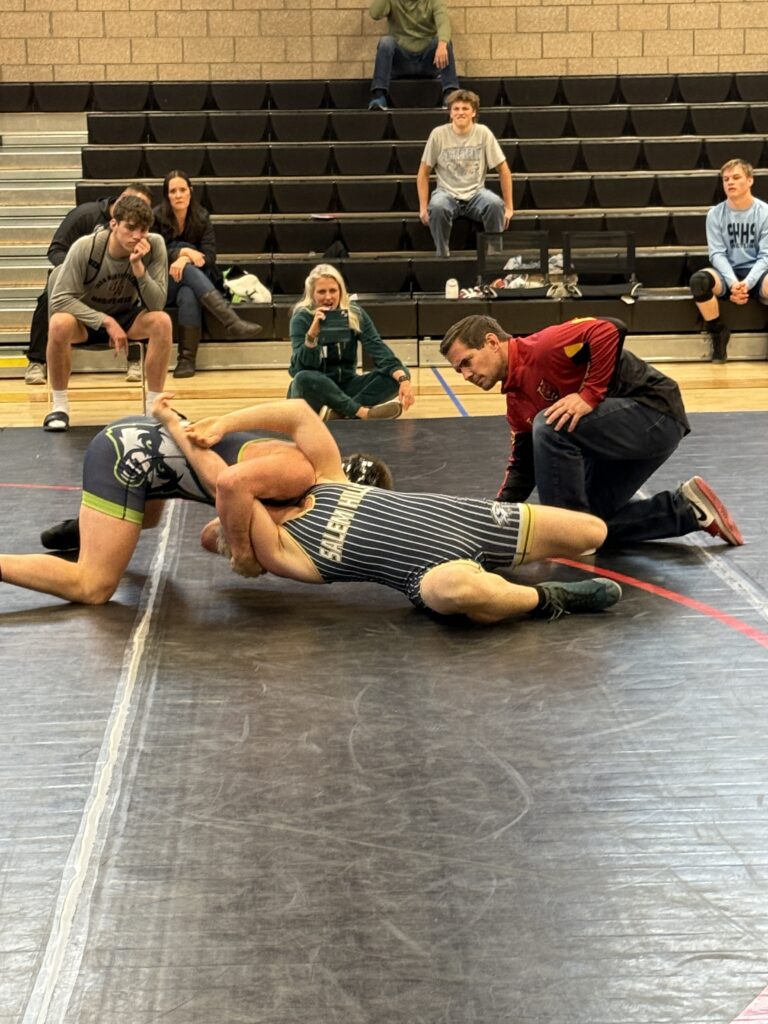
A wrestler’s food choices can affect energy in practice, concentration at school, recovery afterward, and readiness for the next day. Teen athletes do not need complicated diets. They need consistent meals, enough fluids, and practical foods that fit into busy school and practice schedules.
Before Practice: Think Energy
A pre-practice meal or snack should provide useful energy without leaving an athlete overly full. When there are several hours before practice, a familiar meal with carbohydrates and some protein can work well. Closer to practice, choose something lighter and easy to digest, such as a banana, crackers, or toast. Adjust for food allergies and what your athlete tolerates.
Foods that work well for one athlete may not work for another. Wrestlers should learn what helps them feel energized and comfortable during training.
After Practice: Think Recovery
After a hard practice, the body needs carbohydrates to replace energy and protein to support muscle repair and growth. A normal balanced dinner can do this well. When dinner is delayed, a recovery snack such as chocolate milk, yogurt with fruit, a sandwich, or fruit paired with a protein source can help bridge the gap.
Do Not Forget Fluids
Hydration should happen throughout the day, not just during practice. Bringing a water bottle to school and practice can make consistent hydration easier. Athletes training hard or sweating heavily may have additional needs that should be discussed with qualified professionals when necessary.
Tournament Days Require Planning
Tournaments can involve early mornings and long waits between matches. Pack familiar, portable foods rather than depending entirely on concession stands. Fruit, sandwiches, yogurt when safely kept cold, pretzels, crackers, and other familiar foods can be useful options depending on the athlete.
Keep Food in Perspective
Food is fuel, but it is also part of normal life. Wrestlers should not be afraid of eating. A sustainable approach supports performance, growth, recovery, and a healthier relationship with the sport.
For individual nutrition needs, allergies, medical concerns, or significant weight changes, families should seek guidance from an appropriate qualified healthcare or nutrition professional.
Parent resources: Nemours KidsHealth: Feeding Your Child Athlete and the American Academy of Pediatrics’ sports nutrition guide.