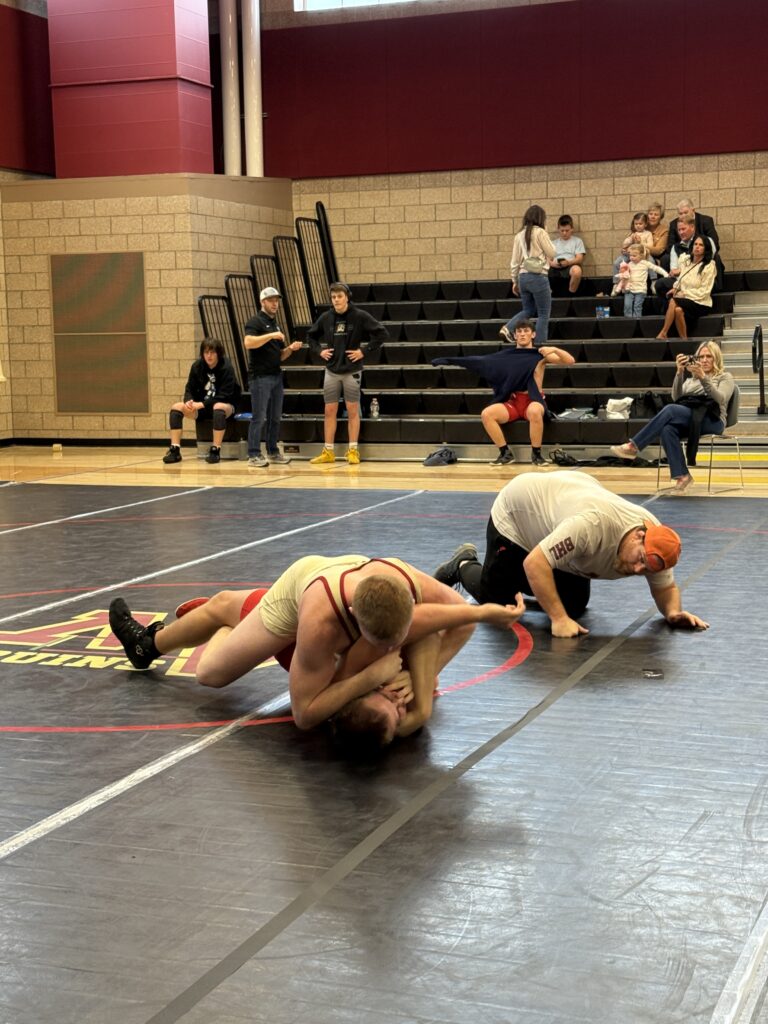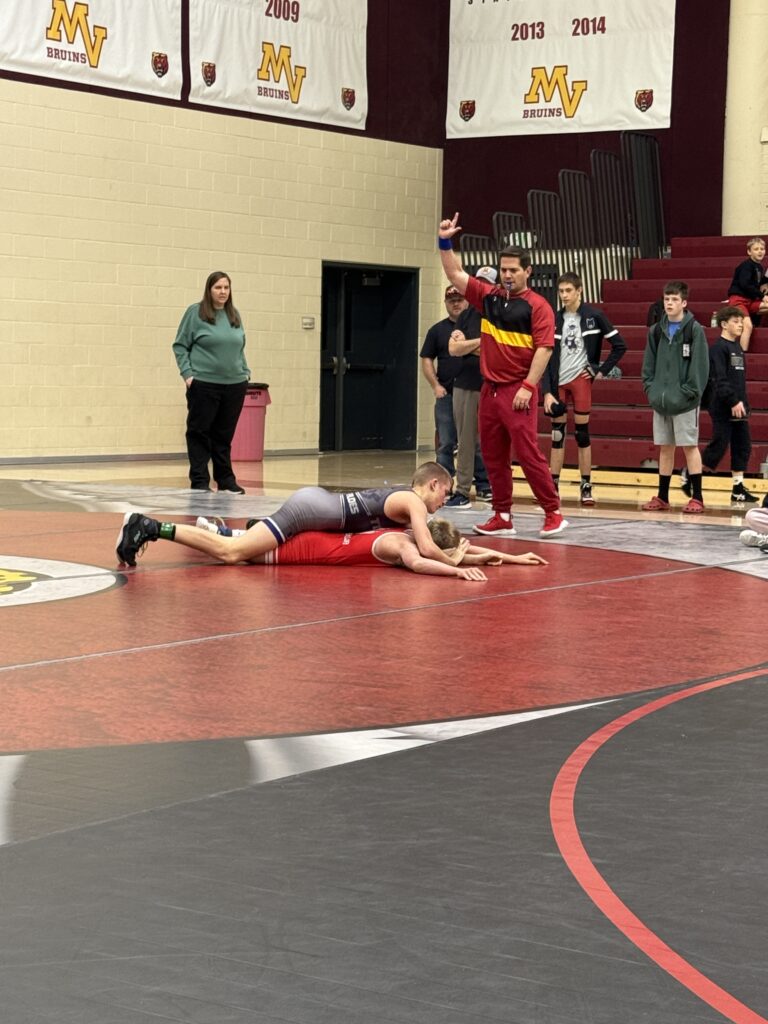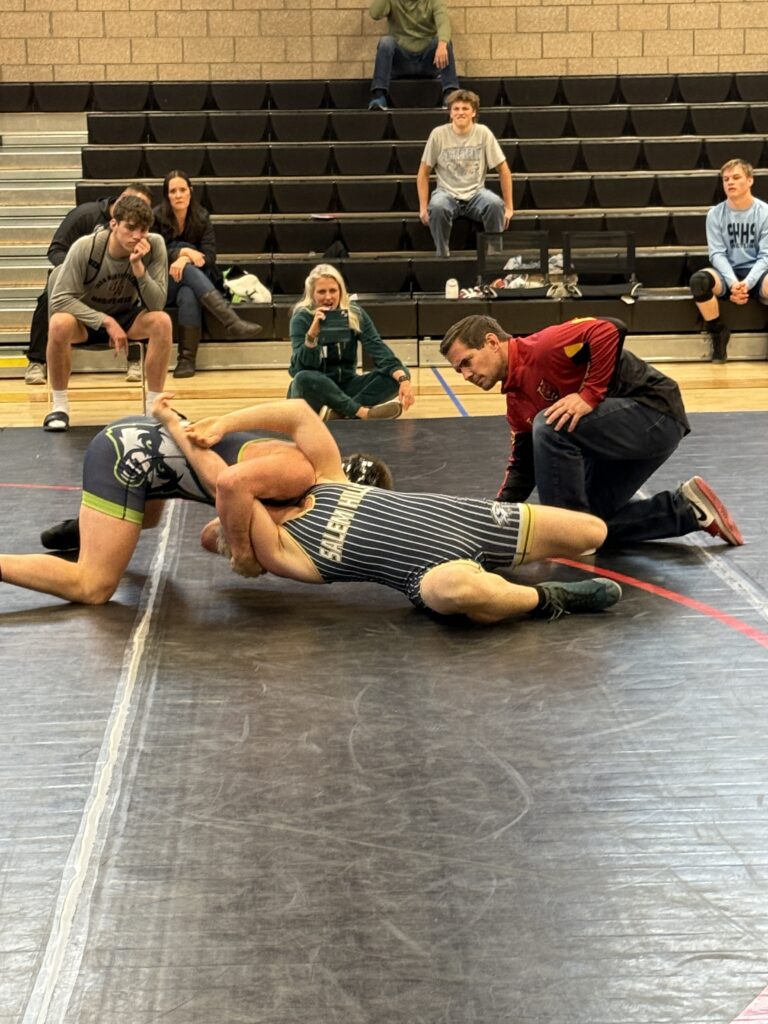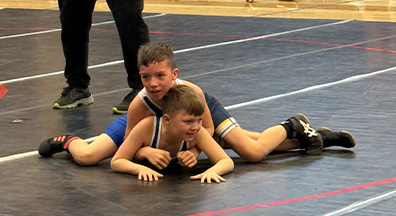
Wrestling makes losing personal. There are no teammates on the mat to share the scoreboard with you. When the referee raises the other wrestler’s hand, it can feel like everyone saw you fail. But losing is not proof that you do not belong in wrestling. It is part of learning how to wrestle.
A Loss Gives You Information
A match can show you exactly where your wrestling needs attention. Maybe you struggled to finish a takedown, escaped too slowly, lost position, got tired late in the match, or hesitated when an opportunity appeared. That information gives you something specific to take back to practice.
Do Not Turn One Result Into an Identity
“I lost” and “I am a loser” are completely different statements. One describes a result. The other turns a temporary outcome into an identity. Your record does not measure your value as a person, teammate, student, or athlete.
Give Yourself a Reset Routine
- Listen to your coach.
- Identify one or two lessons from the match.
- Take care of your body.
- Give yourself a moment to feel disappointed, then focus on one useful adjustment.
- Prepare for the next practice or match.
Confidence Is Built by Returning
Confidence does not mean believing you will never lose. Real confidence grows when you learn that you can lose, be disappointed, make adjustments, and come back anyway.
Look at the Long View
The wrestler you are today is not the wrestler you will be after another month of practice, another season, or another hundred hard rounds. Improvement in wrestling is rarely a straight line.
Let a loss teach you without letting it define you. Then get back in the room and work on what comes next.
Parents can help by keeping the first conversation simple: “I’m glad I got to watch you. Do you want to talk now or later?” Let the coach handle the technical review, and let your wrestler know your support is steady.