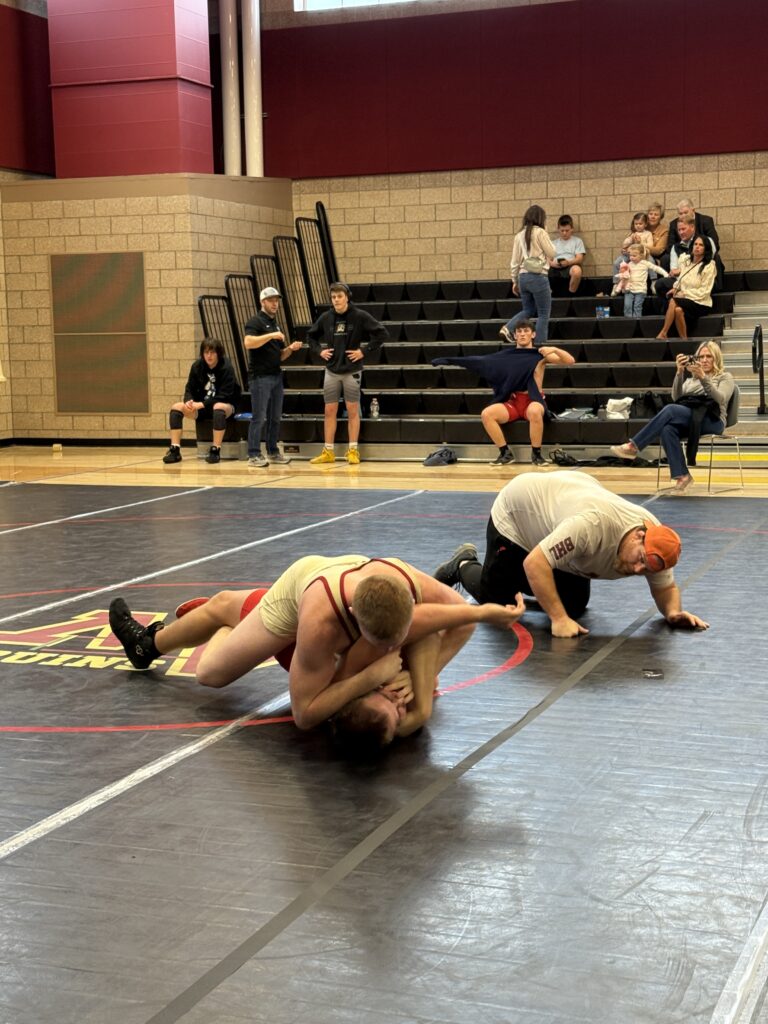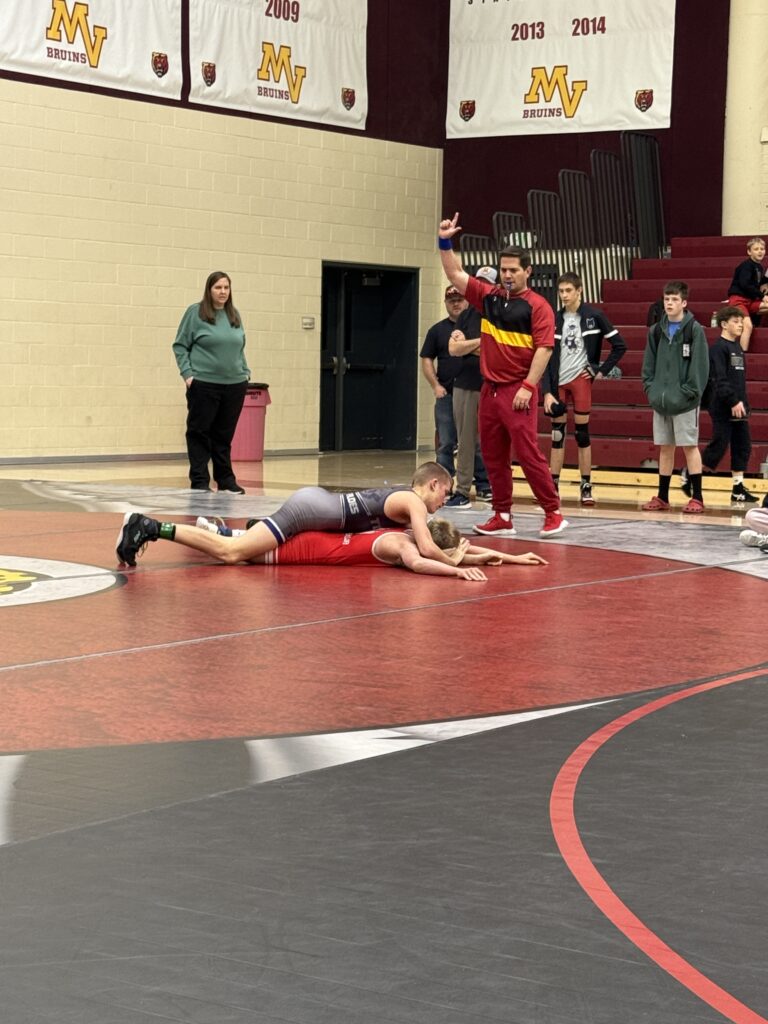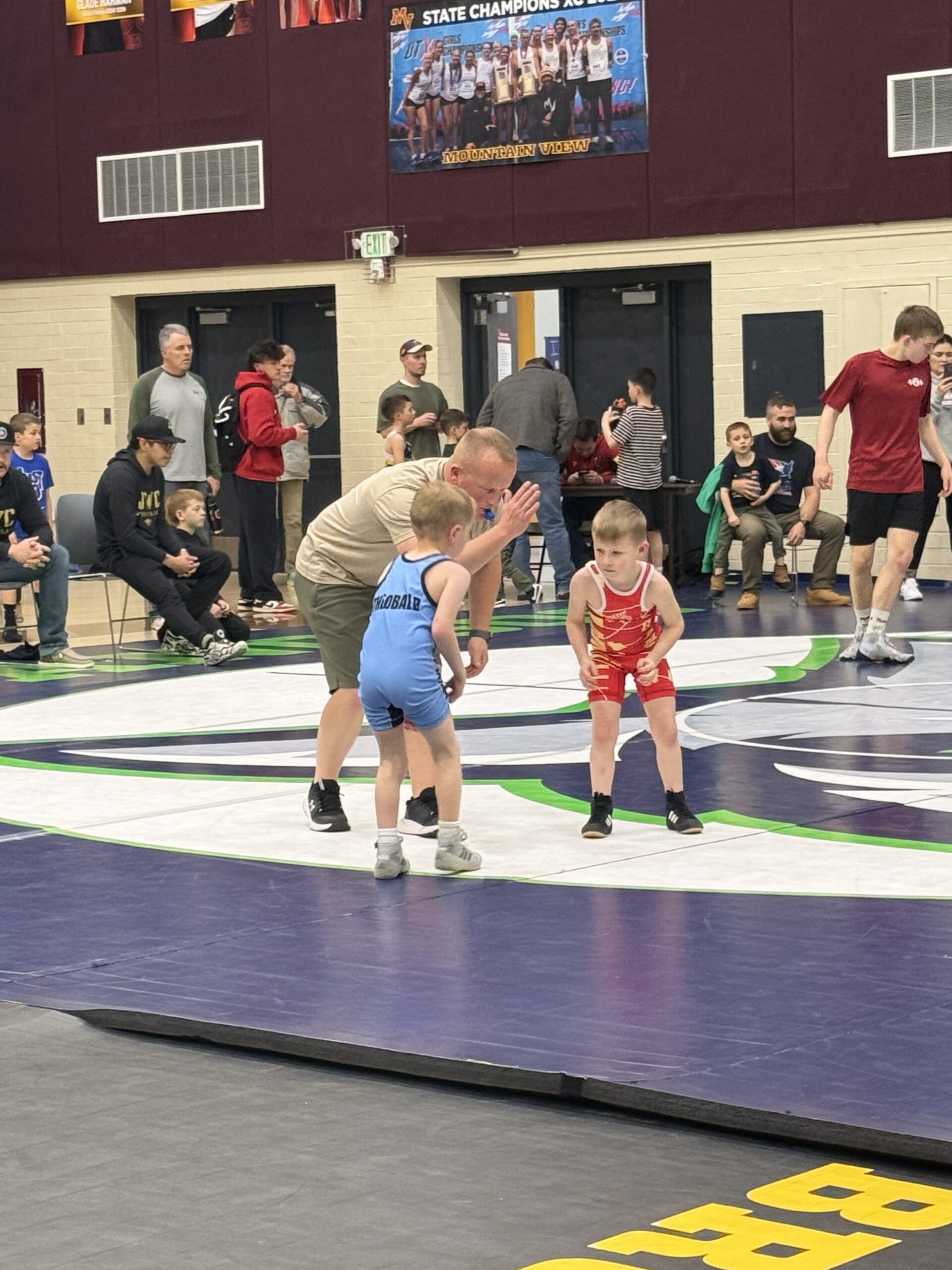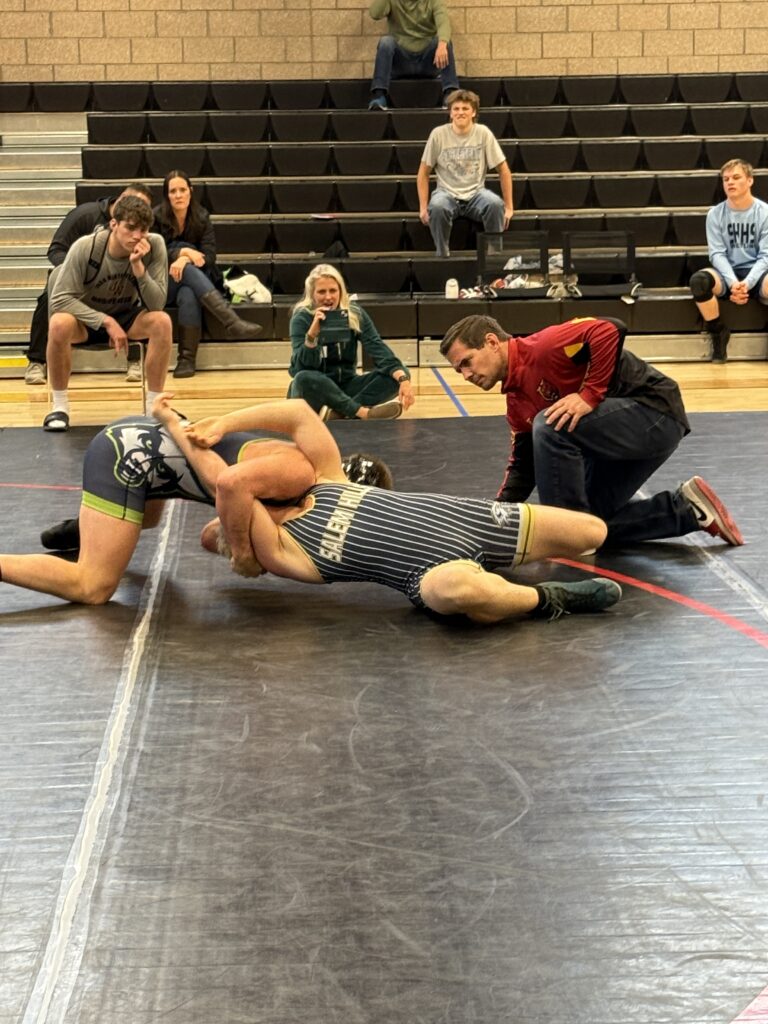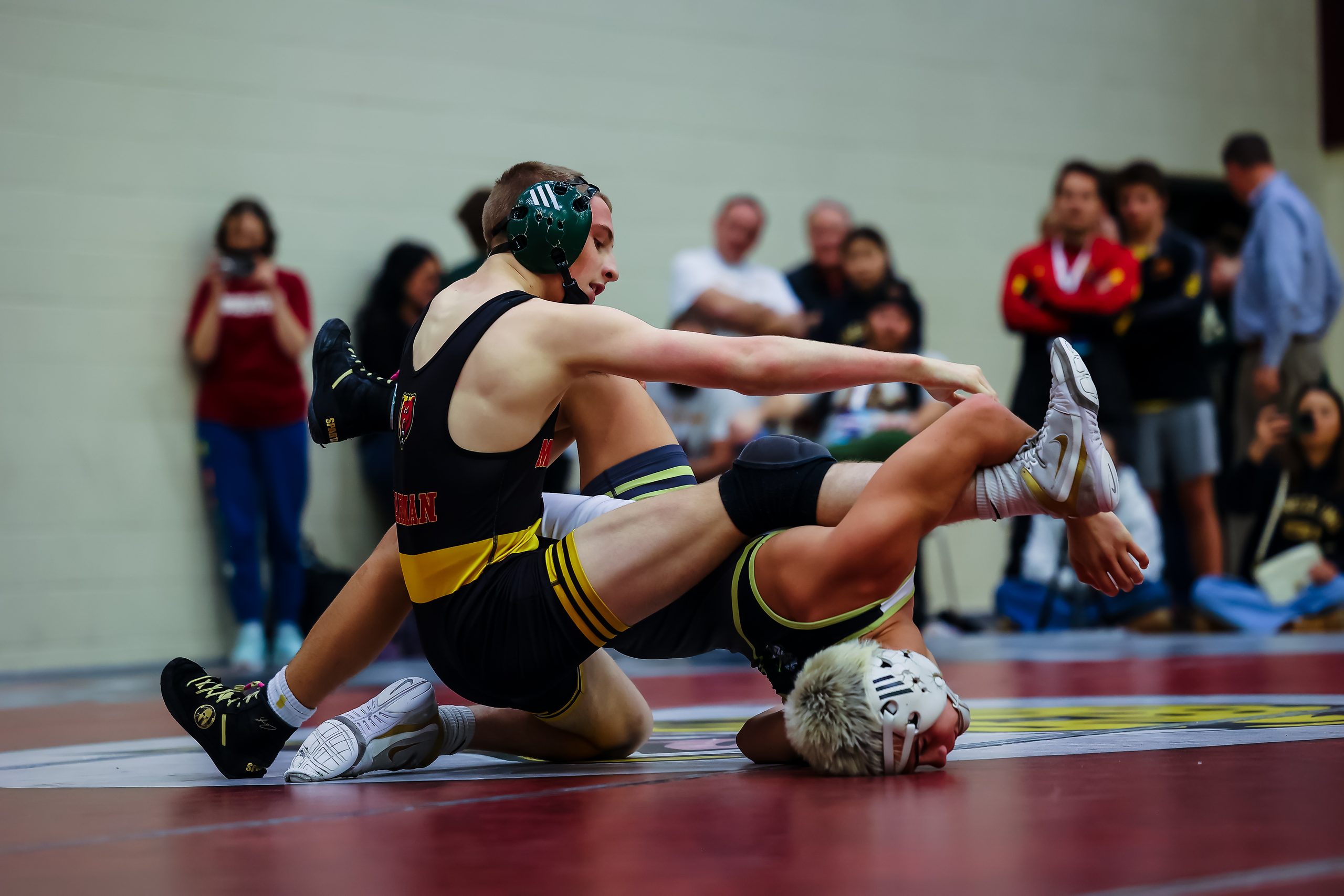
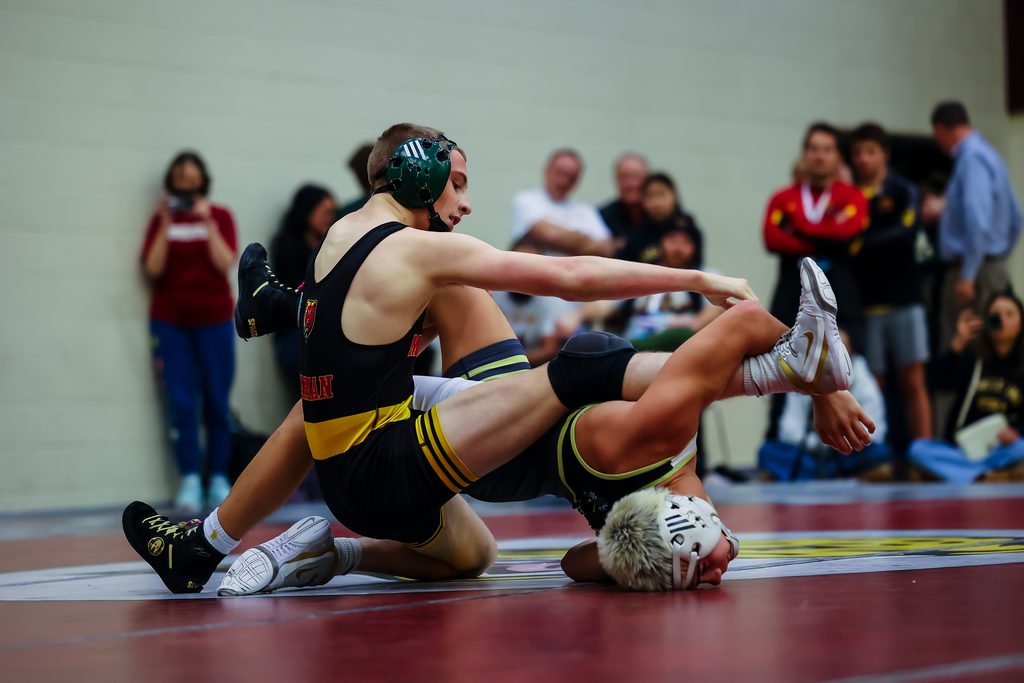
High school wrestling can be unfamiliar territory for families. The sport has its own language, schedule, traditions, and challenges, but it also gives students opportunities to develop confidence, discipline, resilience, and strong friendships.
New to Wrestling
If your student is new to wrestling, you do not need to understand every rule before the first practice. Coaches will teach technique and competition rules. Parents can help most by making sure their wrestler arrives prepared, communicates with coaches, gets enough rest, eats and hydrates well, and knows that improvement matters more than immediate results.
What Practices Are Like
Wrestling practices are demanding. Athletes may work on technique, drilling, live wrestling, conditioning, strength, flexibility, and mental preparation. New wrestlers can feel overwhelmed at first because they are learning many positions and movements at once. That is normal. Consistent attendance is one of the best ways to improve.
What Your Wrestler Needs
- Wrestling shoes
- Appropriate practice clothing
- A filled water bottle
- Headgear when required
- Good hygiene habits and clean practice gear
- A willingness to learn and work
Meets and Tournaments
Dual meets usually move quickly, while tournaments can last much of the day. Wrestlers may have significant time between matches. Families should plan for changing schedules, mat assignments, weigh-ins, warmups, and waiting. Bringing water and appropriate food for after weigh-ins can make tournament days easier.
Wins Are Not the Only Measure of Progress
Every wrestler loses. A beginning wrestler may lose often while learning. Look for smaller signs of progress: better positioning, improved conditioning, trying a new move, fighting through a difficult match, listening to coaches, and returning to practice ready to improve.
How Parents Can Help
Be the person your wrestler can count on regardless of the scoreboard. Cheer, encourage, and let coaches coach. After a difficult match, sometimes the best response is simply, “I loved watching you compete.” There will be time later to talk about what was learned.
Wrestling asks a lot from young athletes, but that challenge is also part of what makes the sport meaningful. Give the process time. Your student may discover strength and confidence they did not know they had.