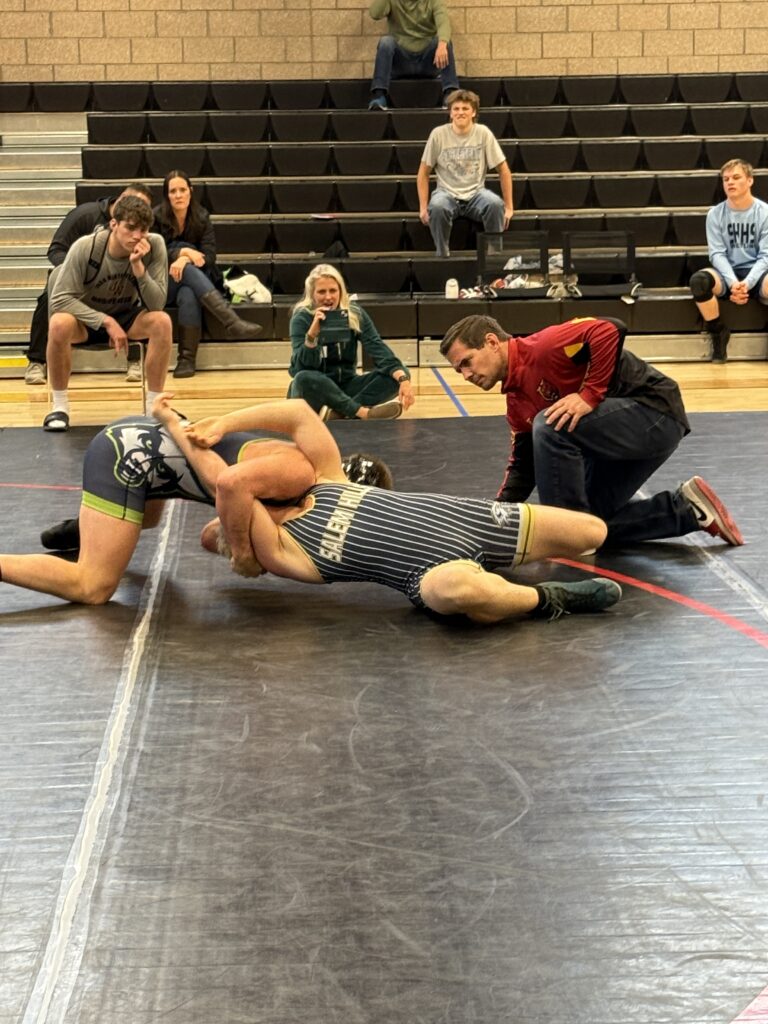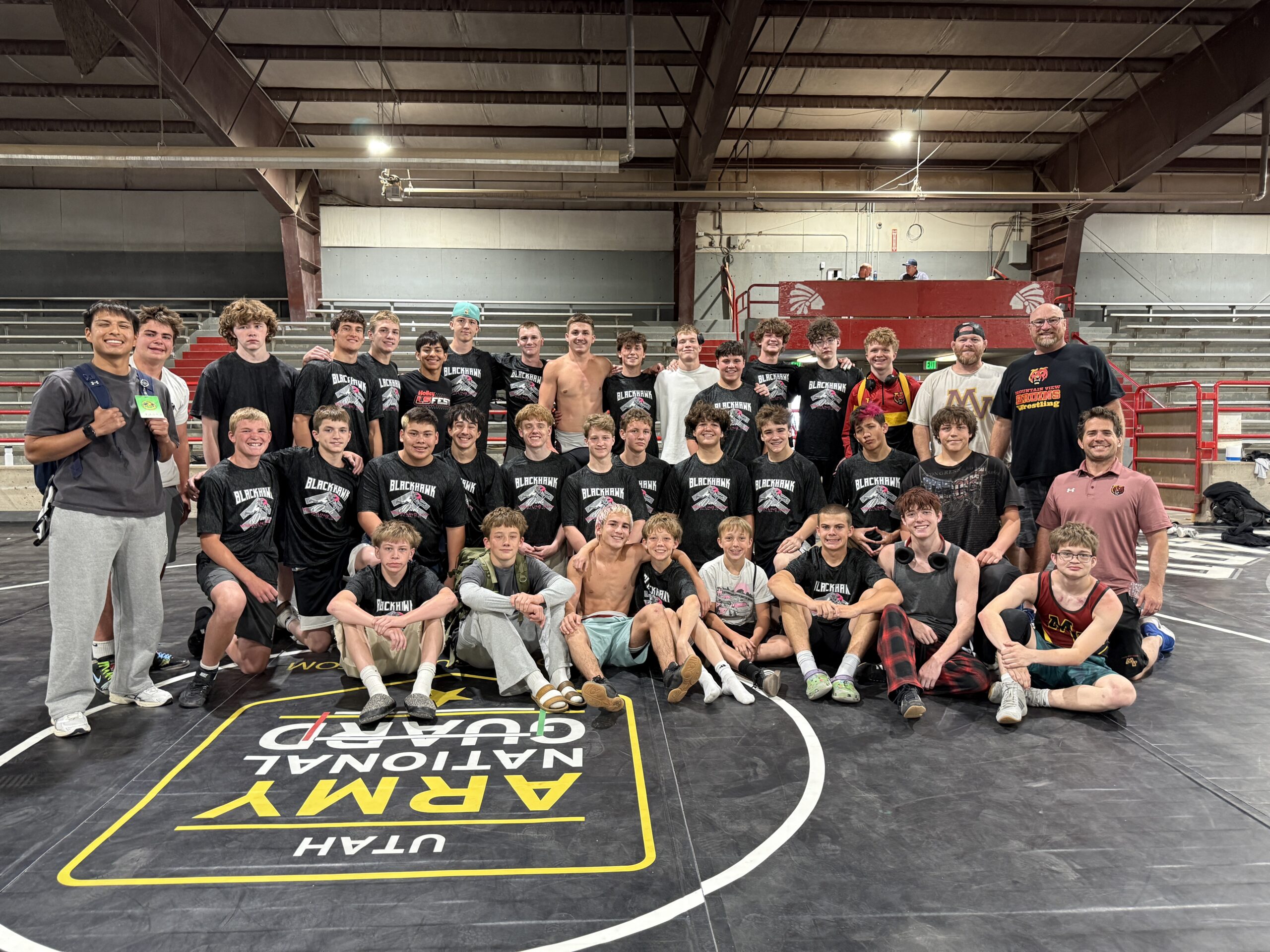
When the high school season ends, wrestling does not have to stop—but it also does not have to become a twelve-month obligation. The best offseason plan is one that helps an athlete improve while still leaving room for recovery, school, family, other interests, and long-term enjoyment of the sport.
Why Wrestle in the Offseason?
Offseason wrestling gives athletes more mat time without the same weekly pressure of the school season. Camps and clubs can expose wrestlers to different partners, coaching styles, techniques, and competition. Extra repetitions can help positions become more natural.
Freestyle and Greco-Roman Wrestling
Some offseason programs introduce freestyle and Greco-Roman wrestling. The rules differ from the folkstyle wrestling commonly used in high school, but learning different styles can develop body awareness, positioning, attacks, and confidence in unfamiliar situations.
Camps Can Provide Focused Learning
Wrestling camps can range from technique-focused sessions to intensive multi-day experiences. Before choosing one, consider the athlete’s experience level, goals, cost, travel, coaching, and physical demands. More expensive or more intense does not automatically mean better for every wrestler.
Other Sports Can Help Too
Wrestlers do not necessarily need to specialize year-round. Other sports and activities can develop athleticism, coordination, strength, speed, friendships, and new skills. The right balance depends on the individual athlete.
Watch for Burnout
An athlete who never gets a mental or physical break may begin to dread a sport they once enjoyed. Pay attention to persistent exhaustion, loss of enthusiasm, irritability, recurring physical complaints, or feeling pressured to participate.
Ask What the Wrestler Wants
Parents and coaches can provide opportunities, but athletes benefit from having some ownership of their offseason. Ask what they want to improve and what level of commitment feels realistic.
A productive offseason is not about doing everything. It is about choosing experiences that help the wrestler return healthier, more skilled, motivated, and ready to grow.
Before signing up, ask your Bruin to choose one skill to work on. Then check with the coaching staff about a camp or club that fits that goal and your family’s schedule. Leave room for days away from the mat, too.