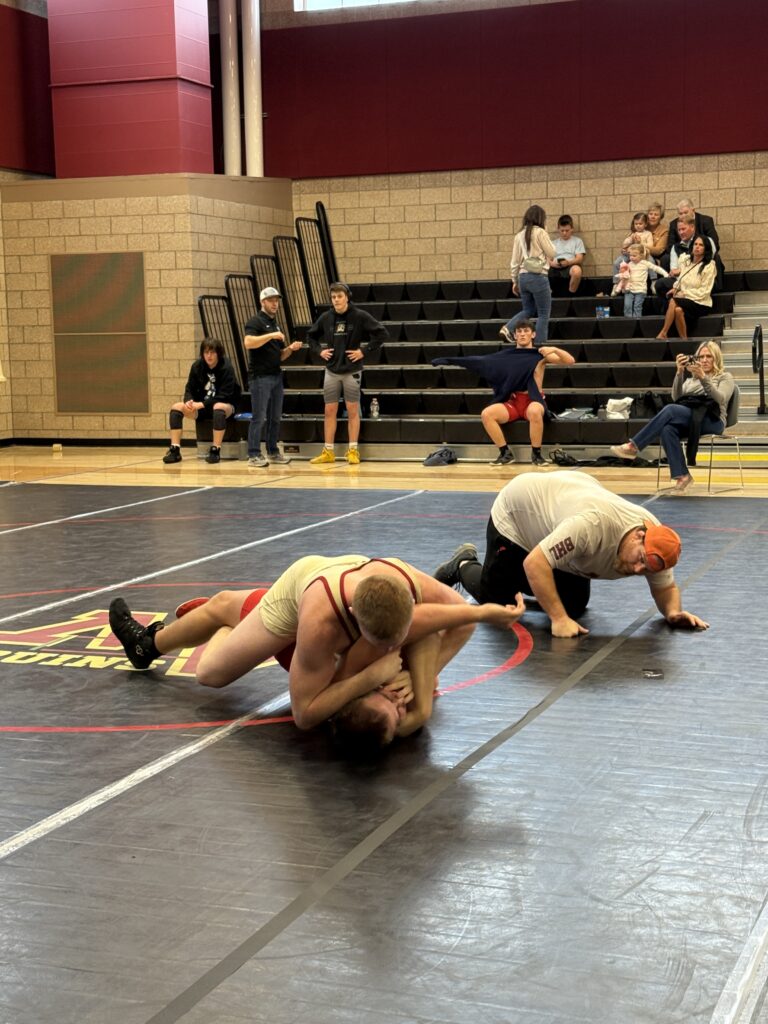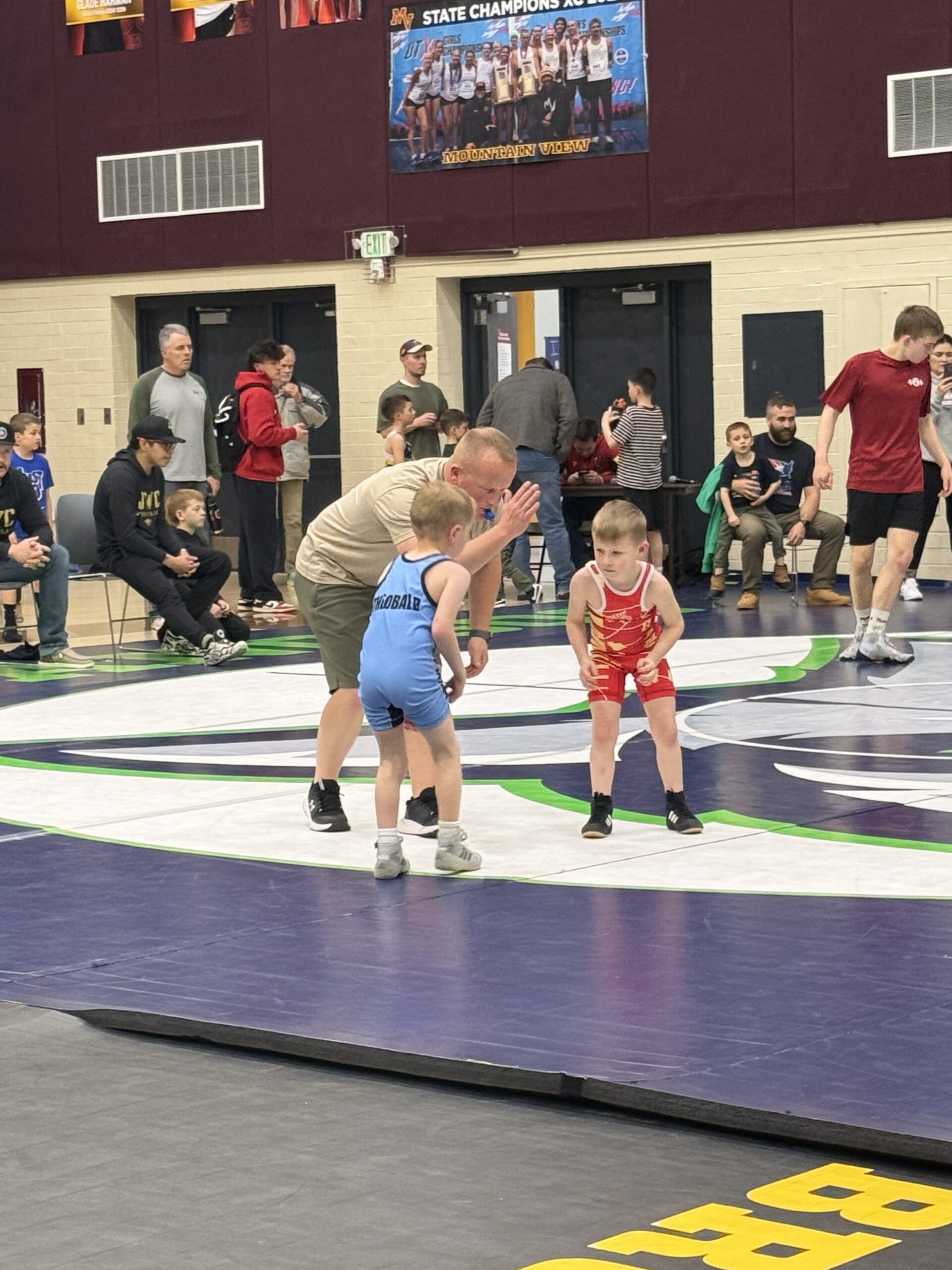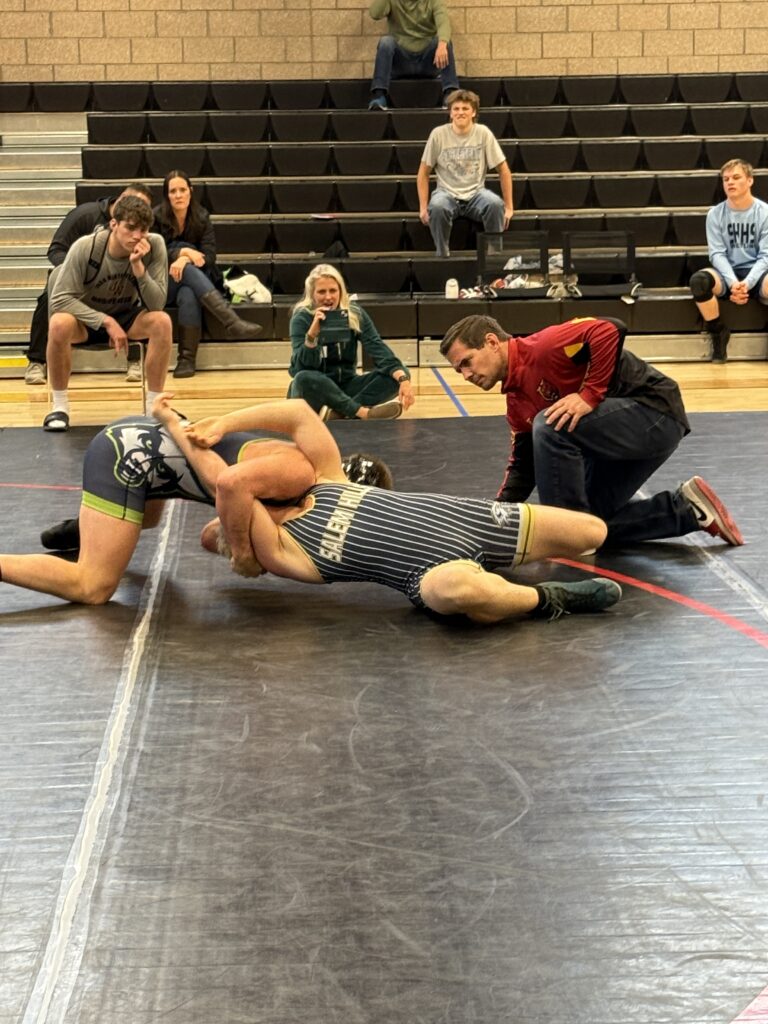
The scoreboard tells you who won a match. It does not tell you everything an athlete gained from wrestling. Some of the most important lessons developed in a wrestling room have very little to do with takedowns, escapes, or pins.
Discipline
Wrestlers learn that improvement requires showing up repeatedly. Motivation changes from day to day. Following through on a commitment, and communicating when you need help or rest, both take discipline. Learning to do important work even when you do not feel like doing it is a skill that transfers to school, work, relationships, and future goals.
Accountability
On the mat, athletes eventually have to take responsibility for preparation and decisions. Blaming a referee, opponent, coach, or bad luck may feel easier, but it does not help the next match. Wrestling teaches athletes to ask, “What can I improve?”
Resilience
Wrestlers experience setbacks. They get scored on. They lose matches. A technique stops working. A practice feels terrible. Resilience is built when athletes discover they can experience disappointment without quitting.
Respect
Wrestling asks competitors to battle intensely and then shake hands. Athletes learn to respect opponents, officials, coaches, teammates, and the work required to compete.
Confidence
There is a special kind of confidence that comes from doing something difficult. It is not the confidence of always winning. It is knowing you can work, struggle, learn, and keep going.
Being Part of Something Bigger
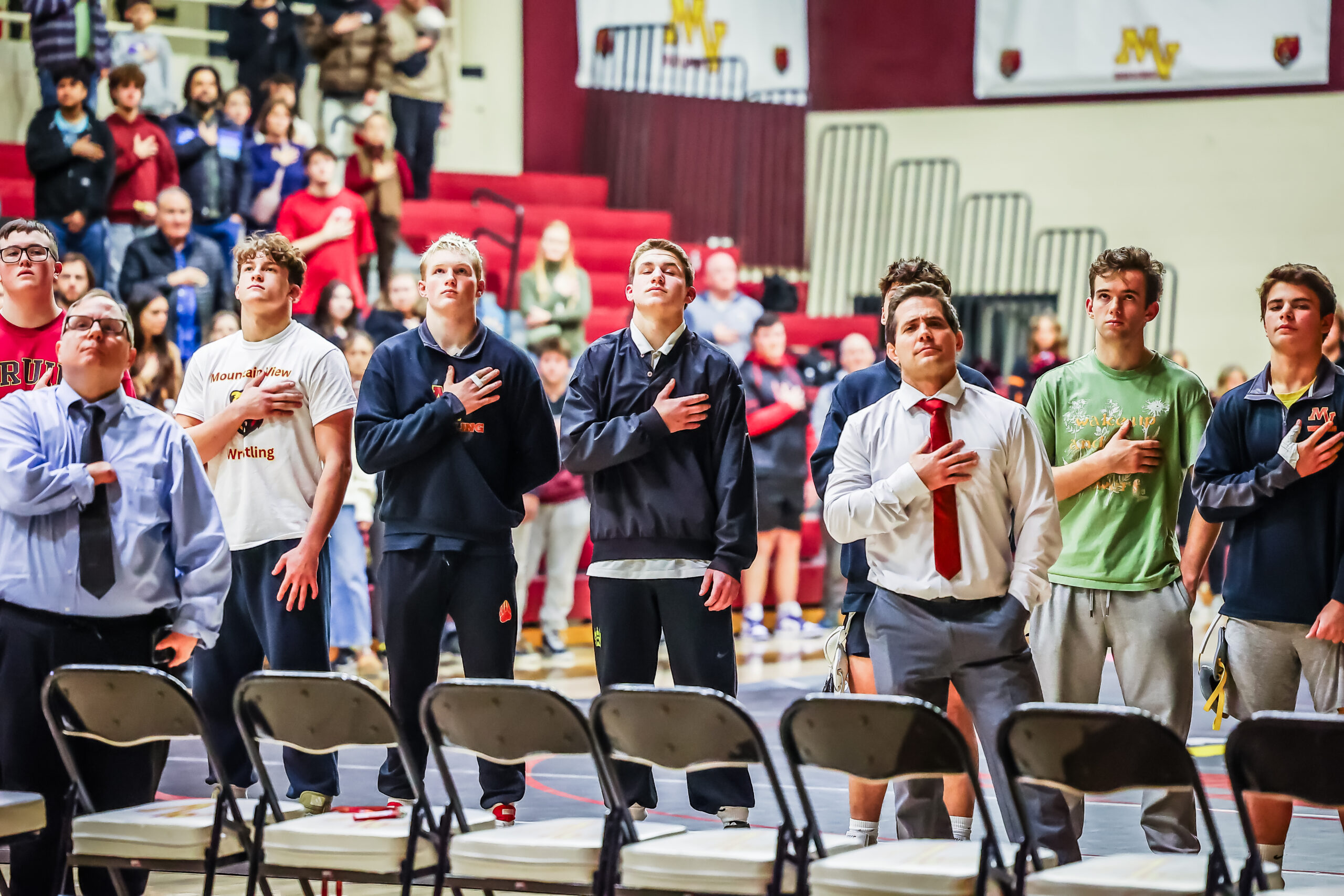
Although wrestlers compete individually, they train as a team. Partners push one another, teammates celebrate each other, and everyone contributes to the culture in the room.
Eventually every wrestler competes in a final match. The medals and records become memories. The habits, relationships, confidence, and lessons can last much longer.
Try asking your wrestler, “What did you do this week that made you a better teammate?” The answer may tell you more than the match record.