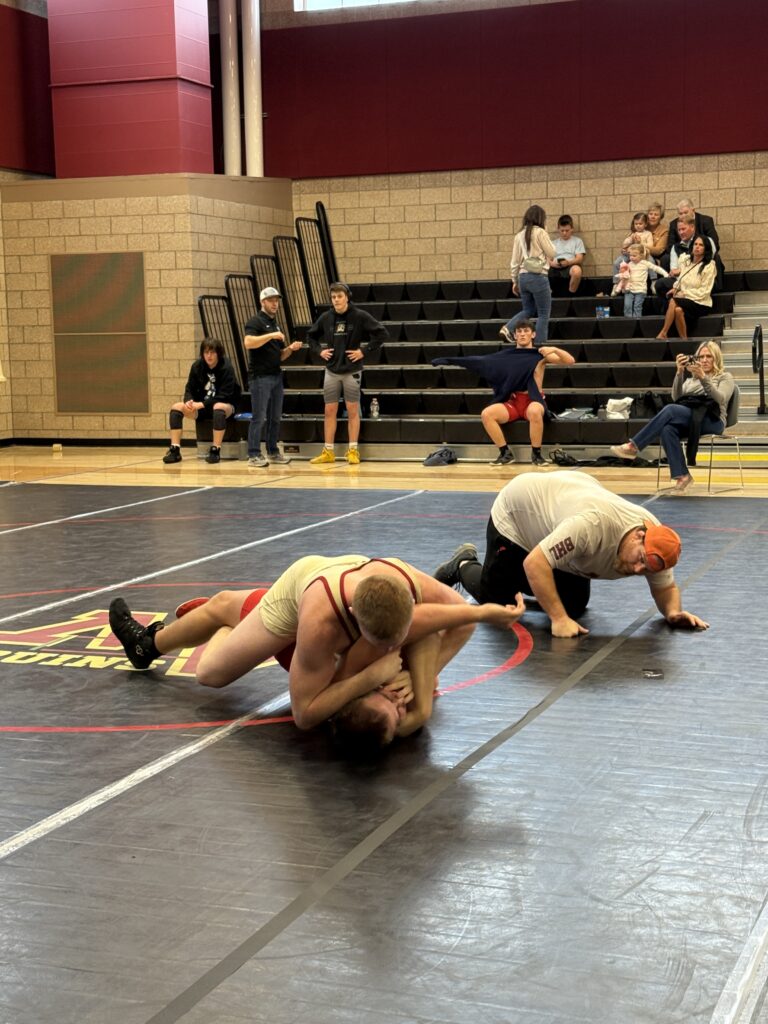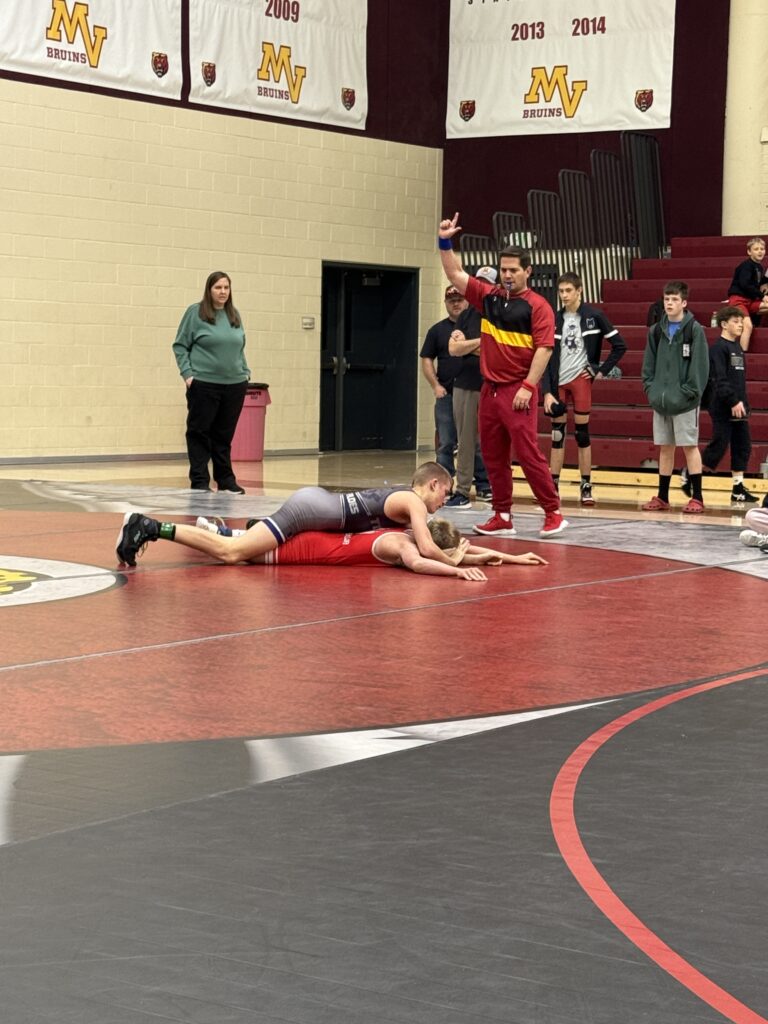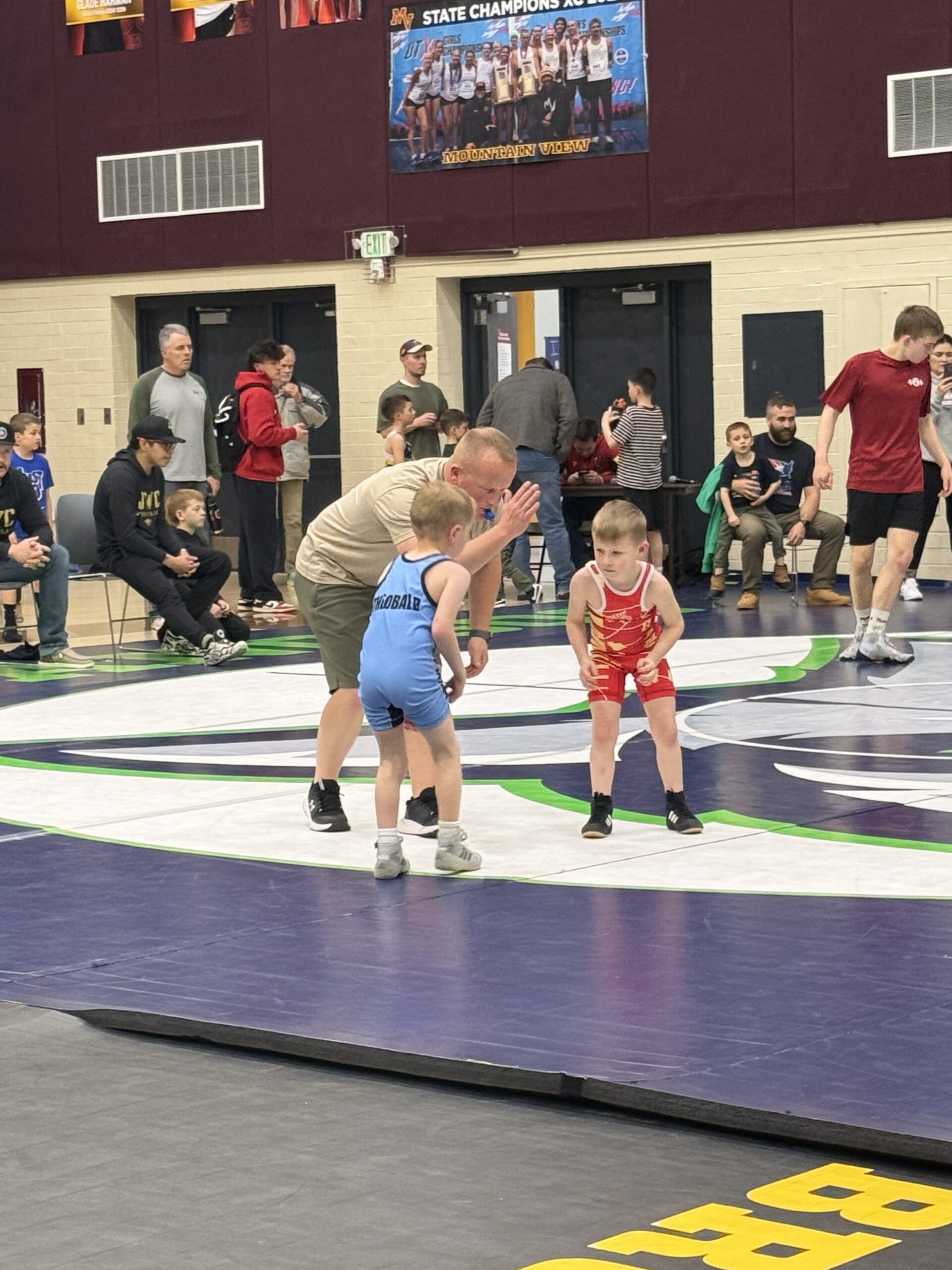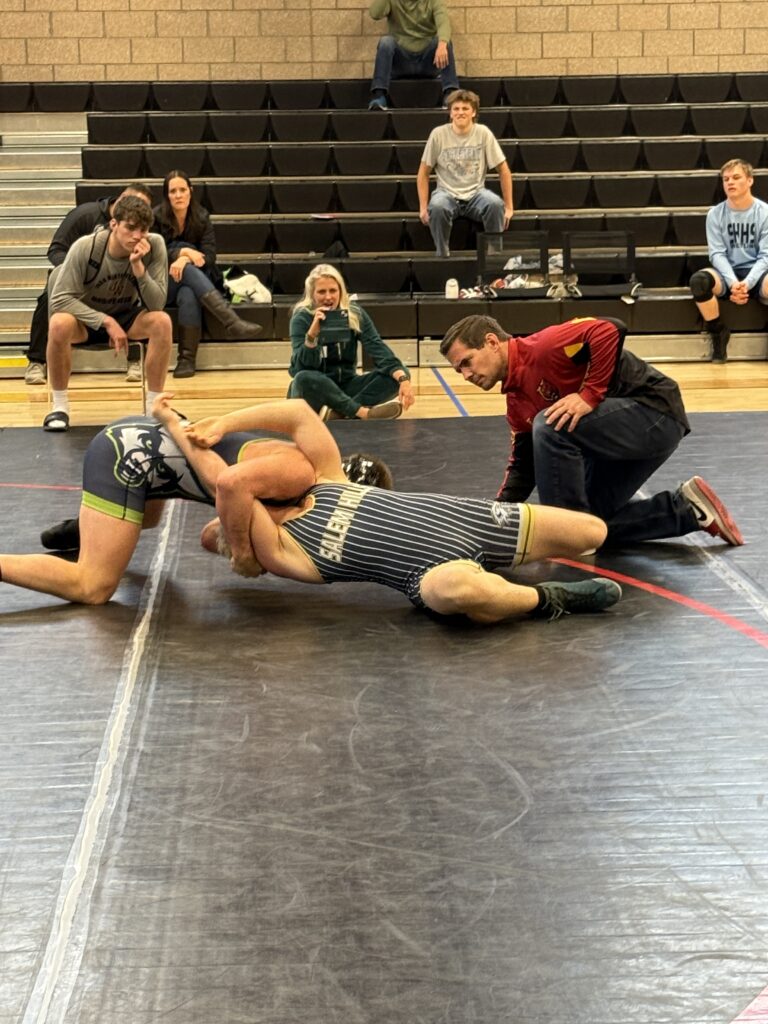
Wrestling tests more than strength and technique. It asks athletes to perform under pressure, recover from mistakes, manage nerves, stay disciplined when tired, and keep working when progress feels slow. That is why the mental side of wrestling deserves attention too.
Nerves Are Not a Sign You Are Unprepared
Many athletes feel nervous before competition. Butterflies before a match are a common experience. Instead of fighting every nervous feeling, focus on what you can control: your warmup, breathing, first position, effort, and response to the whistle.
Shrink the Moment
Thinking about the entire tournament, season, ranking, or final score can make pressure feel enormous. Bring your attention back to the next action. Win the next position. Finish the next drill. Listen to the next coaching instruction. Small actions are easier to control than big outcomes.
How You Talk to Yourself Matters
Notice what you say internally after a mistake. Replace statements such as “I always mess this up” with something useful: “Reset.” “Good position.” “Keep wrestling.” Productive self-talk does not pretend everything is perfect; it directs your attention toward what you can do next.
Confidence Comes From Evidence
Confidence is strengthened by preparation. Remember the practices you completed, hard rounds you finished, techniques you improved, and difficult days you came back from. Those are pieces of evidence that you can handle challenging moments.
Ask for Help When You Need It
Being mentally tough does not mean handling everything alone. If pressure, anxiety, stress, or other concerns are affecting everyday life, school, sleep, eating, relationships, or enjoyment of the sport, talk with a trusted adult and seek appropriate support.
The strongest wrestlers are not people who never struggle. They learn how to respond when struggle shows up.
For your next match, choose one short cue with your coach, such as “good position.” Use it during warmups and after a reset so you have a familiar place to bring your attention.